This site provides general boating information for educational purposes only. Always follow Transport Canada regulations and consult a certified marine instructor.
Recreational Boating · Canada

Understanding the Basics of Boating on Canadian Waters

From choosing the right vessel for your local lake to understanding federal safety requirements — this reference covers the core knowledge that every recreational boater in Canada needs before heading out on the water.

What Recreational Boaters Need to Know

Three foundational areas covered in depth — each one relevant whether you are operating on a small inland lake or navigating the Great Lakes.

Sailboat on Lake Ontario

Choosing the Right Boat for Canadian Waters

Motorboats, sailboats, canoes, kayaks, and pontoons each suit different water conditions and purposes. This overview maps vessel characteristics to the lakes, rivers, and coastal zones where Canadians typically boat.

Life jacket safety check

Essential Safety Equipment for Recreational Boating

Transport Canada specifies exactly which safety items must be on board depending on vessel length. This article breaks down the requirements by boat size and explains how to inspect and maintain each piece of gear.

Red and green navigation buoys

Navigation Basics: Reading Charts and Buoys

Understanding the lateral buoyage system used in Canadian waters, how to read a nautical chart, and the basic rules of the road for recreational vessels — including right-of-way and anchoring conventions.

Operator Competency in Canada

Since September 2009, all operators of motorized pleasure craft in Canada must carry proof of competency — either a Pleasure Craft Operator Card (PCOC) or an acceptable equivalent. The card is issued after passing an accredited boating safety course and a written exam. There is no age minimum, but operators under 16 face additional horsepower restrictions depending on the province.

Transport Canada — Boating Safety

Common Recreational Boat Categories

Each vessel type involves different handling characteristics, licensing considerations, and equipment requirements under Canadian law.

Motorboat on Wabamun Lake

Motorized

Powerboats and Motorboats

The most common recreational vessel in Canada. Operators require a PCOC for any motorized craft. Horsepower restrictions apply for young operators.

Sailboat on Wabamun Lake

Wind-Powered

Sailboats and Dinghies

Sail-only vessels are exempt from the PCOC requirement, but safety equipment rules still apply. Beginners often start on dinghies before moving to keelboats.

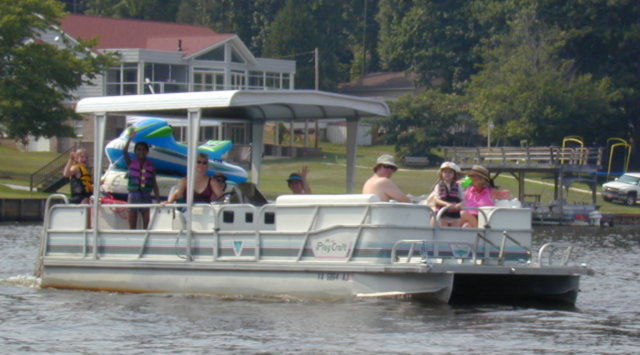
Pontoon boat

Leisure

Pontoon Boats

Stable, flat-deck platforms popular on calmer lakes and rivers. Typically gas-powered, they fall under standard motorized vessel rules in Canada.

Seasonal Boating in Canada

The Canadian boating season varies considerably by region. In most of Ontario and British Columbia, open water running is feasible from late April through October. In Alberta and Manitoba, the window is shorter — typically June through September. Cold-water immersion risk remains significant even in summer on deeper lakes, making proper buoyancy aids a practical necessity rather than a regulatory formality. Winterization of engines, water systems, and hulls before first freeze prevents the most common forms of mechanical damage.

Safety Equipment Guide

Canadian Boating at a Glance

Key facts and regulatory landmarks that affect all recreational boaters in Canada.

Licensing

Pleasure Craft Operator Card

Required for all motorized pleasure craft operators in Canada. Issued by Transport Canada-approved course providers after a written examination.

Registration

Vessel Registration vs. Licensing

Pleasure craft 10 HP or greater operating in Canadian waters must carry a valid Pleasure Craft Licence (PCL) or be registered under the Canada Shipping Act.

Navigation Rules

Collision Regulations

Canada follows COLREGS (International Regulations for Preventing Collisions at Sea) and domestic Collision Regulations for inland waters. Right-of-way rules differ by vessel type.

New to Boating in Canada?

Start with the fundamentals — vessel categories, mandatory safety gear, and basic navigation rules — before your first season on the water.

Read the Boat Selection Guide